
Intruder alarms are graded from 1 to 4 under BS EN 50131, the British and European standard for intruder and hold-up alarm systems. The grade reflects the level of risk: the more an intruder is likely to know, and the more tools they’re likely to bring, the higher the grade. Most lower-risk commercial premises need Grade 2, higher-risk sites often need Grade 3, and Grade 4 is for the highest-risk premises. This guide explains what each grade means, how the grade is decided, and what to check with your insurer before you get quotes.
What are intruder alarm grades?
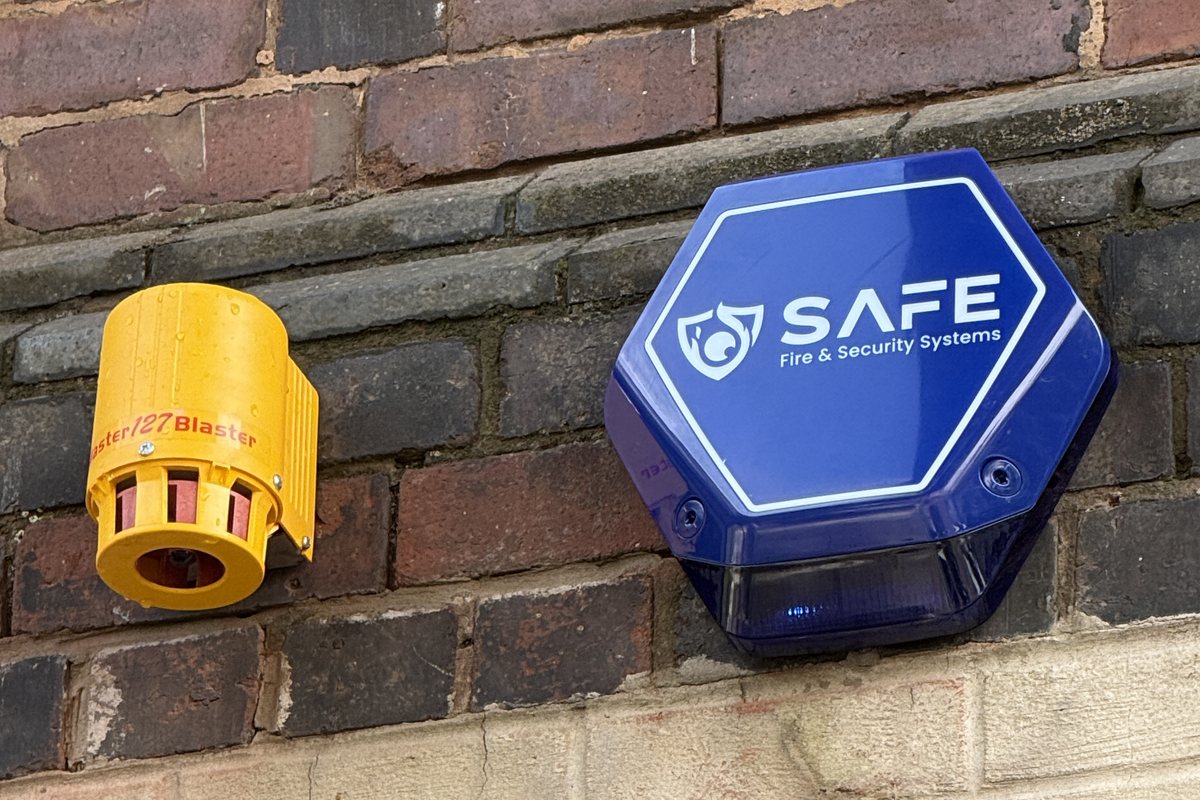
An intruder alarm grade is a security level. It sets how hard the system has to be to defeat, which covers things like how well the detectors resist being covered up or tampered with, how the control panel is protected, and how reliably the alarm signal gets out when the system is triggered.
The grades come from BS EN 50131-1. In the UK, the way the standard is applied is set out in PD 6662, which is the scheme insurers, the police and approved installers work to. When an installer says a system is “Grade 2” or “Grade 3”, they mean it has been designed, installed and commissioned to meet that grade under these standards.
The four intruder alarm grades
Each grade is defined by the kind of intruder the system is designed to deal with.
Grade 1: low risk
Grade 1 assumes an intruder with little knowledge of alarm systems and only a limited range of easily available tools. It’s the lowest grade and is meant for the lowest risks, so business premises are usually designed to Grade 2 or above.
Grade 2: low to medium risk
Grade 2 assumes an intruder with some knowledge of alarm systems and a general range of tools, such as screwdrivers and pliers. It suits most lower-risk commercial premises, such as offices and small shops without high-value stock.
Grade 3: medium to high risk
Grade 3 assumes an intruder who knows how alarm systems work and brings a wider range of tools and portable electronic equipment. It’s common for higher-risk sites, such as shops with valuable stock, warehouses and industrial units. At Grade 3, detectors are expected to detect masking, so someone covering or spraying a detector during the day should be picked up rather than leaving a blind spot for later.
Grade 4: high risk
Grade 4 assumes a sophisticated intruder who can plan a break-in in detail and has the full range of equipment, including the means to substitute parts of the system. It’s for the highest-risk premises, and the insurer will normally set out exactly what they expect.
Who decides which grade you need?
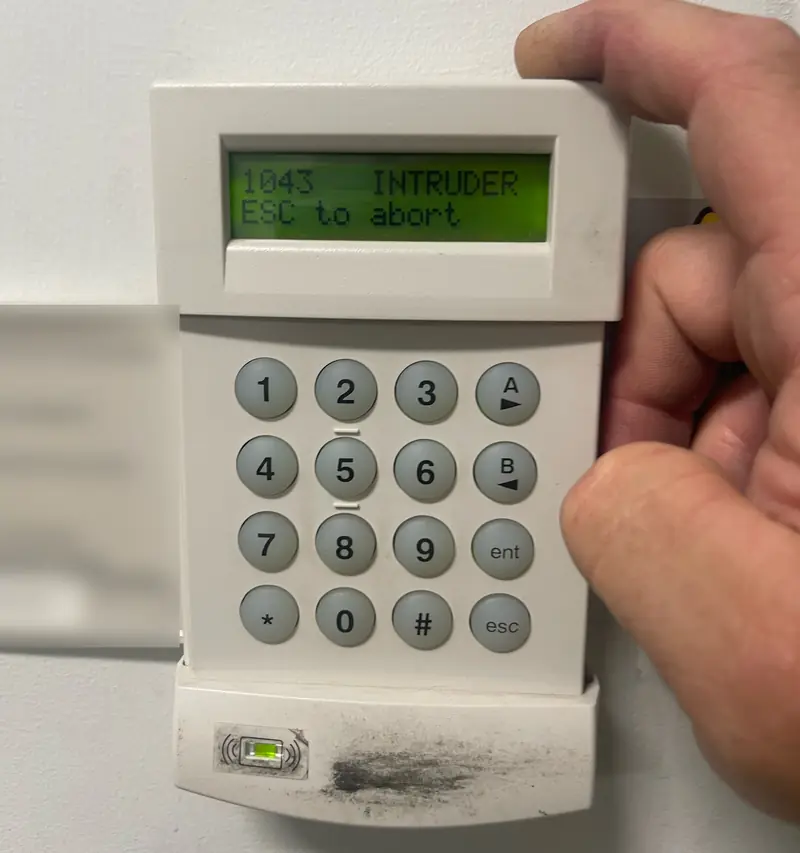
In practice, your insurer usually does. The grade should come from a look at the risk: what’s in the building, where it is, how easy it is to get into, whether it’s empty at night or at weekends, and what’s happened there before. Many commercial insurance policies say what grade of system they expect, and some say whether it must be monitored or have police response.
Before you get quotes, check your policy or ask your broker:
- What grade of intruder alarm does the policy require?
- Does the alarm need to be monitored by an alarm receiving centre?
- Is police response required, or is keyholder response enough?
- Do they need the system installed by an NSI or similar approved company, with a certificate of compliance?
At your free site survey we’ll look at the building and the insurer’s requirements, then design to the right grade. If the policy wording isn’t clear, we’ll tell you what to ask your broker.
A system is only as strong as its lowest-graded part
Under the standard, the grade of the whole system is the grade of its lowest-graded component. If a Grade 3 panel is paired with Grade 2 detectors, the system is Grade 2. That’s why it’s worth checking what’s actually being fitted, not just what the quote says on the front page.
It also matters when you extend or change a system. Adding a cheap detector to cover a new room can quietly lower the grade of the whole system, and that can put you out of line with your insurance.
Grades and monitoring: getting a response
The grade covers how hard the system is to defeat. It doesn’t, on its own, mean anyone responds when the alarm goes off. An alarm nobody responds to is just noise, so for most businesses the next question is monitoring.
We connect alarms to EMCS, our monitoring partner, an independent alarm receiving centre. When the alarm triggers, trained operators act on it straight away, day or night. For police response, we install a confirmed alarm system designed to BS 8243, EMCS monitors it, and we apply for a police URN (Unique Reference Number). Repeated false alarms can lead to the police withdrawing a URN, which is why the design and maintenance matter. Our alarm monitoring page explains how it works.
Wired or wireless: does it change the grade?
Both wired and wireless intruder alarms can be designed to a grade, as long as the equipment and the way it’s installed meet that grade. Wired systems suit new builds, refurbishments and larger sites. Wireless systems suit occupied or listed buildings where cabling is difficult. Many sites use a mix of the two. Our guide to wired vs wireless intruder alarm systems goes into the differences.
Which grade suits which kind of business?
Every building is different, so treat this as a starting point and check it against your policy:
- Offices and mixed-use buildings: often Grade 2, unless there’s high-value equipment or data on site.
- Shops and stockrooms: Grade 2 for lower-risk stock, Grade 3 where the stock is valuable or easy to sell on.
- Jewellers: shops and workshops holding high-value stock, where insurers usually expect a higher grade.
- Warehouses and industrial units: commonly Grade 3, especially where there’s valuable stock, plant or metal on site.
- Schools: depends on the site and the insurer. We fit intruder alarms and lockdown and panic alarms in schools, with enhanced DBS-checked engineers.
- Empty buildings: a vacant property alarm, designed around the risk and the insurer’s terms.
Questions to ask when you compare intruder alarm quotes
- What grade is the system designed to, and does every component meet it?
- Is that the grade my insurer asks for?
- Will I get an NSI certificate of compliance at handover?
- Is monitoring included, and who is the alarm receiving centre?
- If I need police response, will the system be designed to BS 8243, and who applies for the URN?
- What does maintenance involve, and how often will the system be serviced?
- Who will do the work: the company’s own engineers?
How SAFE can help
We’re SAFE Fire & Security Systems, an NSI approved company based in Halesowen. Our own experienced engineers design, install and maintain commercial intruder alarms across the West Midlands, to the grade your building and your insurer need. We only work on commercial buildings.
Every job starts with a free site survey. We look at the building, check what your insurer asks for, and give you a clear, written plan with the right grade of system. At handover you get an NSI certificate of compliance and training for your keyholders, and we can connect monitoring and set up police response through EMCS if you want it.
Find out more about our commercial intruder alarm installation and intruder alarm services, or see our local pages for intruder alarms in Halesowen and intruder alarms in Dudley. You can also read why it pays to choose an NSI approved provider.
Book your free site survey: call 0333 224 0247 or send us a message.
Intruder alarm grades: frequently asked questions
What grade of intruder alarm do I need for my business?
That depends on the risk and on what your insurer asks for. Most lower-risk commercial premises need Grade 2, and higher-risk sites often need Grade 3. Check your policy, and we’ll design to the right grade at your free site survey.
What’s the difference between a Grade 2 and a Grade 3 intruder alarm?
Grade 2 is designed for an intruder with some knowledge of alarms and a general range of tools. Grade 3 is designed for an intruder who knows how alarm systems work and brings more specialist tools and portable electronic equipment, so the equipment is harder to defeat. For example, Grade 3 detectors are expected to detect masking.
Which standard sets out intruder alarm grades?
BS EN 50131-1 sets out the four grades. In the UK, PD 6662 sets out how the standard is applied, and BS 8243 covers the design of confirmed alarm systems for police response.
Can I mix components of different grades?
You can, but the whole system then takes the grade of its lowest-graded component. A Grade 3 panel with Grade 2 detectors is a Grade 2 system.
Does a higher grade mean I’ll get a police response?
No. The grade is about how hard the system is to defeat. Police response needs a confirmed alarm system designed to BS 8243, monitoring by an alarm receiving centre, and a police URN.
Can a wireless intruder alarm be Grade 3?
Yes, wireless equipment can be designed to Grade 3, as long as the equipment and the installation meet that grade. We’ll recommend wired, wireless or a mix at your free site survey.
Do you fit intruder alarms in homes?
No. We only work on commercial buildings, such as offices, shops, jewellers, schools, warehouses and industrial units.


Leave a comment